Debunking common myths about casino winnings What you need to know
Understanding the Odds
One of the most pervasive myths about casino winnings is that players can influence the outcome of games through strategies or systems. Many believe that if they employ a specific betting technique or pattern, they can tilt the odds in their favor. However, most casino games, especially those governed by random number generators, have fixed odds that do not change based on player decisions. This means that no matter how strategically one bets, the house always retains a statistical advantage. Additionally, for beginners, exploring skrill betting sites can provide valuable insights into the betting landscape, enhancing their overall experience.
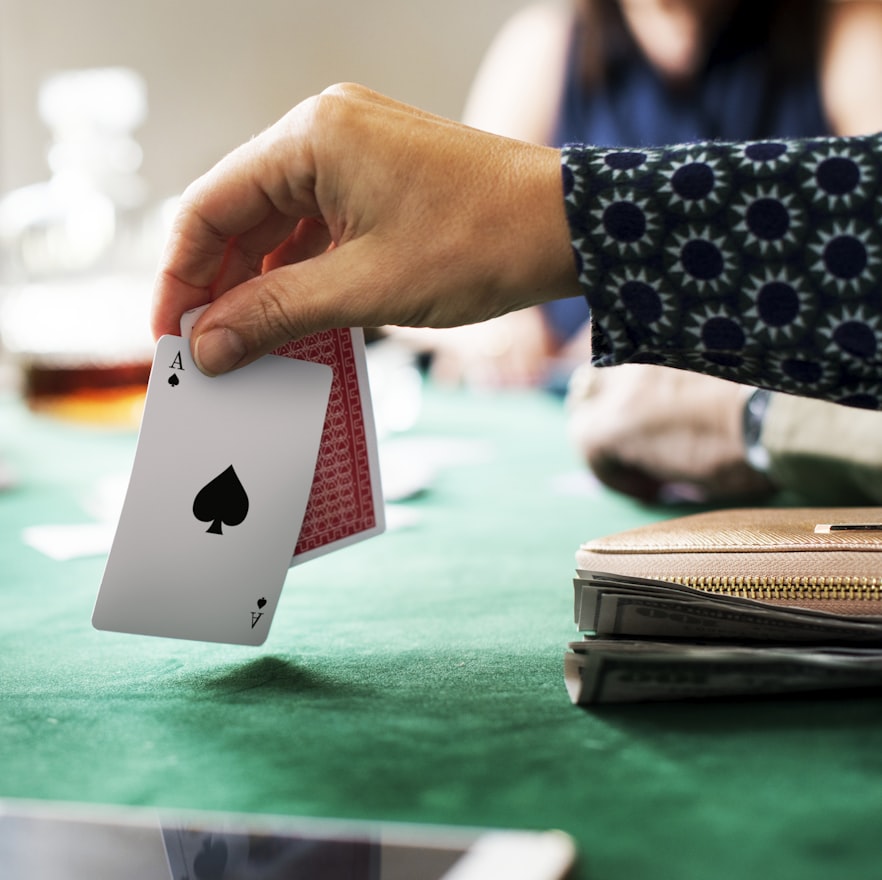
Additionally, new players often mistakenly assume that winning streaks can last indefinitely. This misconception can lead to unrealistic expectations and financial losses. In reality, randomness is a core component of casino games. Even the most skilled players experience losses due to the unpredictable nature of chance. Understanding this randomness can help players set realistic goals and manage their expectations regarding potential winnings.
For instance, slot machines operate on a predetermined mathematical algorithm that determines payouts. Players may feel that they can “time” their bets for a win, but in truth, each spin is independent. This independence means past results do not influence future outcomes, further emphasizing the need for a clear understanding of the odds before entering a casino.
The Role of “Hot” and “Cold” Machines
Many players believe in the concept of “hot” and “cold” machines, where certain slots are perceived to be on a winning streak while others are seen as stagnant. This myth encourages players to congregate around machines that have paid out recently, as they believe the odds of winning are better. However, this belief is unfounded, as every machine operates independently of others. The results of a slot machine are entirely random, making it impossible to predict which machines are more likely to pay out.
The idea of “hot” and “cold” machines can lead to misplaced confidence, where players spend more time and money chasing after perceived winning machines. In reality, the best approach is to play for enjoyment rather than to seek out specific machines based on myths. Players should focus on managing their bankroll effectively rather than trying to decipher non-existent patterns.
Moreover, casinos design these machines to ensure they return a specific percentage over time, known as the return to player (RTP) rate. This rate is predetermined and unaffected by previous outcomes. Players should educate themselves about the RTP of the games they choose to play, as understanding these statistics can enhance their overall gaming experience and set realistic expectations for potential winnings.
Luck vs. Skill in Casino Games
Another common misconception is that success in casino games is primarily driven by skill rather than luck. While games such as poker and blackjack do require a degree of skill, the majority of casino games, particularly slots and roulette, are based purely on chance. Many new players underestimate the role of luck in these games, often attributing their wins or losses to their own abilities.
In poker, for example, while strategic skill can increase a player’s chances of winning against opponents, luck plays a significant role in the cards dealt and the outcomes of each hand. Even expert players face challenges when luck is not on their side. Understanding that luck can dramatically influence results can help players maintain a balanced perspective when participating in games of chance.
On the contrary, some players mistakenly believe that if they continually practice a specific game, their skill level will guarantee them consistent wins. While practice can improve a player’s understanding and strategy, the inherent randomness of many casino games means that even the most seasoned player can experience significant losses due to luck alone. Recognizing the balance between luck and skill is crucial for developing a sustainable approach to gaming.
The Illusion of Control
Many players enter casinos with the belief that they can control their outcomes through rituals, superstitions, or specific behaviors. This illusion of control often leads individuals to engage in behavior that they believe enhances their chances of winning. For instance, some may insist on using lucky charms or following certain routines before playing, convinced that these actions will bring them luck. However, these rituals do not influence the random nature of casino games.
The psychological aspect of this myth can be significant, as players may feel more confident or secure when engaging in these rituals. However, it is essential to recognize that these behaviors do not change the odds in any way. Players should approach games with a clear understanding that the outcomes are random, and no amount of superstition will alter this fact.
Ultimately, focusing on strategies that enhance the enjoyment of gaming, such as setting limits and understanding game mechanics, is a more effective approach than relying on false perceptions of control. By recognizing that luck governs most casino outcomes, players can engage in a healthier, more realistic gaming experience.

Empowering Your Casino Experience
For anyone looking to explore the world of casinos, understanding these myths is vital for making informed decisions. The landscape of casino gaming can be complex, especially for beginners. Emphasizing education and research can significantly enhance the overall experience and help players avoid pitfalls associated with misinformation.
When exploring various betting sites, having access to expert insights and comprehensive comparisons can be invaluable. Such resources not only help in understanding odds and strategies but also in recognizing the importance of responsible gaming. Knowledge is power, and being equipped with facts allows players to enjoy casino experiences to the fullest while minimizing potential losses.
As a player, it is essential to embrace the entertainment aspect of gambling. Engaging with casinos should be viewed primarily as a leisure activity rather than a method for financial gain. By prioritizing enjoyment and education, players can cultivate a healthier relationship with gaming and create memorable experiences without falling prey to common myths surrounding casino winnings.