Understanding the essentials of gambling for beginners
What is Gambling?
Gambling is the act of risking money or valuables on an outcome that is largely determined by chance. It encompasses a wide range of activities, from casino games like poker and blackjack to sports betting and lottery games. The thrill of gambling lies in the uncertainty of the outcome, as players hope to win more than they wager. For those interested, you can explore resources like https://allstar-casino.net/ to enhance your understanding. Understanding the basic concepts of gambling is essential for beginners to navigate this exciting yet potentially risky activity.
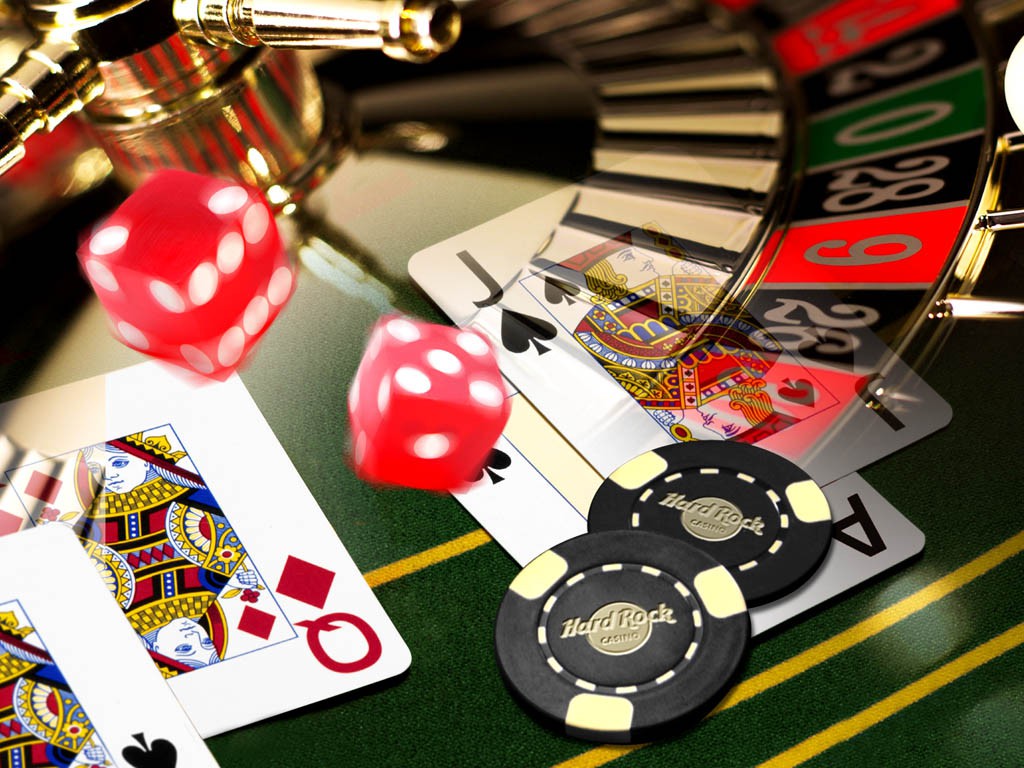
For novices, it’s important to familiarize oneself with the different types of gambling available. Each type has its own set of rules, odds, and strategies. Recognizing these distinctions can enhance the gaming experience and improve one’s chances of success. Moreover, gaining insight into the psychological aspects of gambling can aid beginners in making informed decisions.
Understanding Odds and Payouts
At the heart of gambling are odds, which represent the likelihood of a particular outcome occurring. Understanding odds is crucial, as they determine how much a player can win based on their wager. Different games have different odds, and these can often be influenced by factors like the player’s skill level and game strategy.
Payouts refer to the amount of money a player receives when they win. Knowing how payouts work can help beginners strategize their bets and manage their bankroll effectively. In many cases, the higher the risk, the greater the potential reward, but it’s vital to balance risk and reward to minimize losses.
Bankroll Management
Effective bankroll management is one of the most critical aspects of gambling. It involves setting a budget for how much money one is willing to gamble, and sticking to that limit. This practice helps prevent overspending and can significantly enhance the overall experience. Beginners should consider using a separate account for gambling funds, which can help keep track of wins and losses more easily.
Additionally, establishing win and loss limits can aid in responsible gambling. If a player reaches their loss limit, it’s essential to walk away instead of chasing losses. Conversely, if one reaches their win limit, knowing when to cash out can secure profits and maintain a healthy gambling experience.
Types of Games Available
There is a vast array of gambling games available, each offering unique experiences and strategies. Casino games like slots, roulette, and baccarat cater to different preferences and skill levels. Slots are typically seen as games of chance, while table games like poker and blackjack incorporate elements of skill, making them more strategic in nature.
Outside of traditional casinos, online gambling has gained immense popularity, providing access to a broad selection of games from the comfort of home. Online platforms often feature live dealer games, adding an interactive element that closely resembles the casino experience. Beginners should explore various game types to find which suits their style and interests best.

Getting Started with Online Gambling
Starting with online gambling can be exciting and accessible for beginners. Many online casinos offer generous welcome bonuses and promotions, making it easier to begin without a significant initial investment. Understanding the registration process and how to navigate the platform is essential for a smooth experience.
Once registered, beginners should take the time to learn the rules of their chosen games. Most platforms provide tutorials or practice modes that allow new players to familiarize themselves with game mechanics without risking real money. This practice can build confidence and improve skill levels before engaging in actual bets.